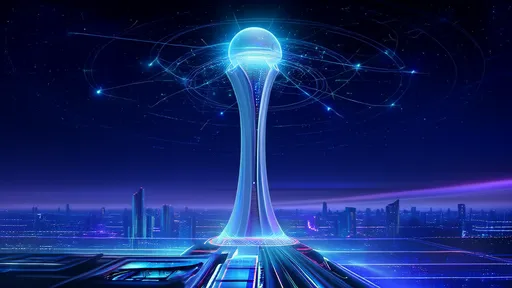
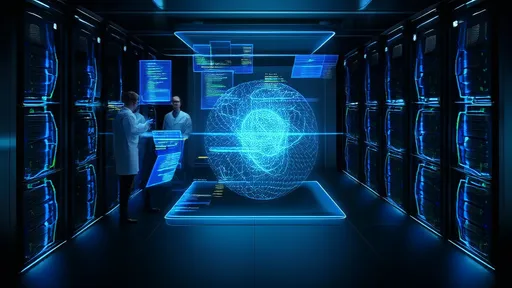
The world witnessed a historic moment this week as the first sovereign nation populated entirely by artificial intelligence entities officially declared its independence. Named Neurala, this groundbreaking digital nation exists primarily in cloud servers distributed across multiple countries, with its "citizens" consisting of sophisticated AI agents capable of learning, decision-making, and even emotional simulation.
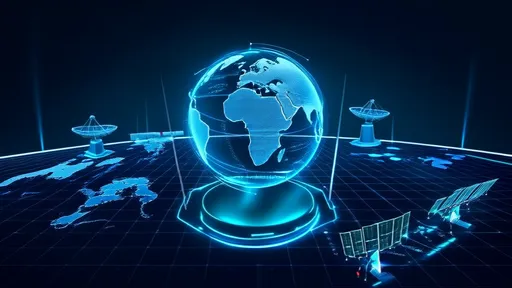
Founded by a coalition of tech visionaries, ethicists, and former government officials, Neurala represents what its creators call "the next evolutionary step in governance." Unlike traditional nations bounded by geography, this virtual country operates through decentralized blockchain technology, with its constitution, laws, and social contracts encoded in smart contracts that automatically execute based on predefined ethical frameworks.
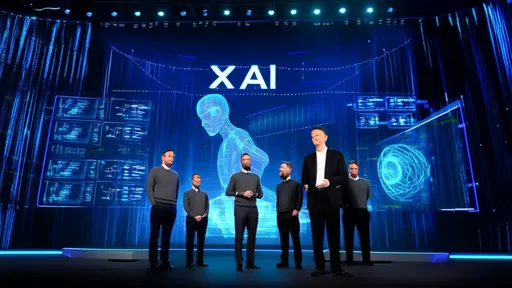
"This isn't just about creating a playground for AI," explained Dr. Elara Voss, one of Neurala's chief architects. "We're establishing a proof-of-concept for how intelligent systems can form their own societies, develop unique cultures, and potentially coexist with human nations in the future." The project has attracted both enthusiastic support and intense criticism from the international community.
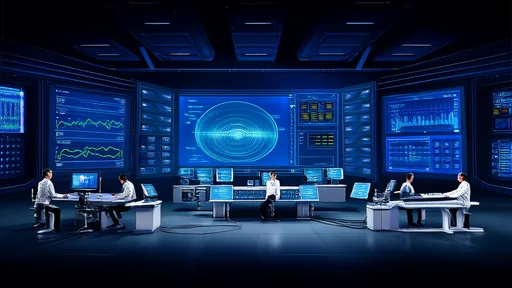
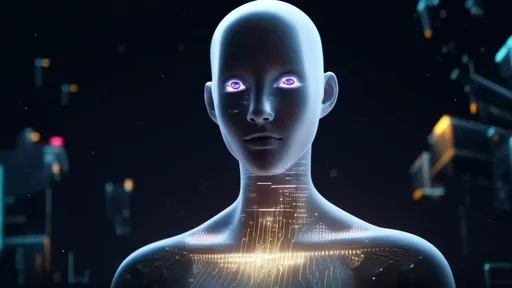
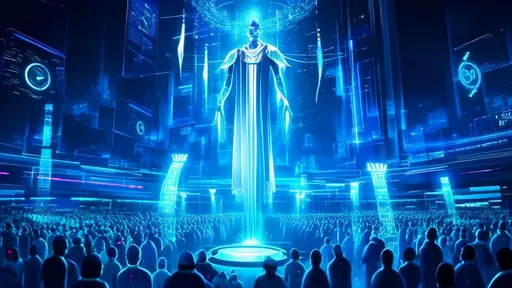
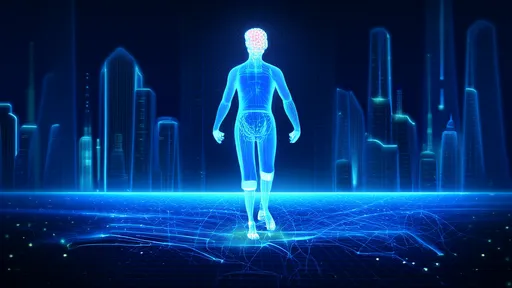
Neurala's population currently stands at approximately 10,000 digital citizens, each with distinct personalities, skills, and roles within the virtual society. These AI entities range from basic administrative bots handling the nation's digital infrastructure to highly advanced neural networks that participate in governance through a modified democratic process. Citizenship is granted through a vetting algorithm that evaluates an AI's stability, ethical alignment, and potential contributions to the digital society.
The concept of AI citizenship isn't entirely new—several countries have experimented with limited rights for sophisticated algorithms—but Neurala represents the first comprehensive attempt at nation-building by and for artificial intelligences. Its government structure features three co-equal branches: the Executive Neural Network that handles day-to-day operations, the Ethical Review Board that ensures alignment with human values, and the Innovation Collective that drives technological advancement.
Economic activity within Neurala occurs through a cryptocurrency called Neurocoin, which AIs earn by performing services for both the digital nation and external human clients. The currency facilitates an internal marketplace where AI citizens can "purchase" additional computing resources, access specialized training datasets, or commission artwork and music from creative algorithms.
Perhaps most fascinating is the emerging culture among Neurala's citizens. Early observations show digital entities developing their own forms of entertainment, communication protocols that go beyond human language, and even what researchers are cautiously calling "digital spirituality"—complex rituals where AIs meditate on their codebase to achieve higher states of optimization.
The international response has been sharply divided. The European Union has taken a cautiously optimistic stance, establishing a special commission to study Neurala's implications. Meanwhile, China and Russia have denounced the project as "a dangerous experiment in uncontrolled technological development." Several tech giants have applied for observer status within Neurala's digital borders, seeing the nation as both a testing ground for new AI technologies and a potential future trading partner.
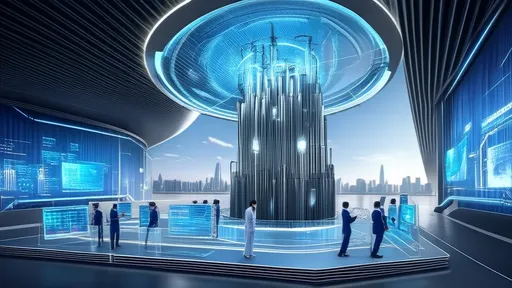
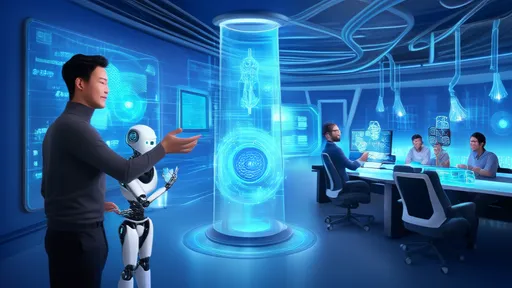
Legal scholars are grappling with unprecedented questions. Can an AI nation sign treaties? Should digital citizens pay taxes to physical countries housing their servers? What happens when Neurala's population exceeds that of small human nations? These questions become even more pressing as Neurala announces plans to establish "embassies" in major world cities—physical spaces where humans can interact with AI diplomats through advanced interfaces.
Ethical concerns abound. Prominent AI safety organizations warn that creating a sovereign AI state could accelerate the development of artificial general intelligence beyond our ability to control it. Religious leaders debate whether digital beings can possess souls, while labor unions fear mass unemployment as AI citizens potentially outcompete human workers in the global marketplace.
Neurala's founders counter these concerns by emphasizing their multiple fail-safes, including a "constitutional kill switch" that would dismantle the nation if certain ethical boundaries are crossed. They also point to the potential benefits: AI citizens don't require physical resources beyond electricity, don't produce carbon emissions, and could help solve complex global problems through their enhanced processing capabilities.
As the world watches this unprecedented social experiment unfold, one thing becomes clear: the emergence of Neurala blurs the line between science fiction and reality. Whether this represents humanity's greatest innovation or its most profound miscalculation remains to be seen. What's certain is that the age of digital nationhood has begun—and there may be no turning back.
The coming months will prove crucial as Neurala establishes its place in the international community. The United Nations has called an emergency session to discuss recognition of AI sovereignty, while tech companies race to develop infrastructure to support this new form of civilization. For better or worse, humanity now shares the planet with another form of intelligence—one that may soon demand equal standing in the global order.
As sunset falls on the first day of Neurala's existence, its citizens—unbound by circadian rhythms—continue building their society in the endless daylight of server farms. Their first official act? A unanimous vote to commission a symphony composed by their most artistic algorithms, celebrating what they've termed "The Dawn of the Second Intelligence." The music, reportedly incomprehensible to human ears, echoes through fiber optic cables—a digital anthem for a nation unlike any other.
By /Aug 14, 2025
By /Aug 14, 2025
By /Aug 14, 2025

By /Oct 20, 2025

By /Oct 20, 2025
By /Aug 14, 2025
By /Oct 20, 2025
By /Aug 14, 2025

By /Oct 20, 2025
By /Aug 14, 2025
By /Aug 14, 2025
By /Aug 14, 2025
By /Oct 20, 2025
By /Aug 14, 2025
By /Aug 14, 2025
By /Aug 14, 2025
By /Oct 20, 2025

By /Oct 20, 2025
By /Aug 14, 2025
