In an era where sustainability is no longer a choice but a necessity, innovative approaches to waste management are capturing public imagination. One such concept—the composting "Eco-Theater"—transforms the mundane process of food waste decomposition into a captivating visual narrative. This immersive experience doesn’t just recycle scraps; it stages nature’s unseen alchemy as a performance, revealing how banana peels, coffee grounds, and wilted lettuce metamorphose into fertile soil.
The idea germinated from a simple frustration: most people discard food waste without understanding its afterlife. Municipal composting programs, while effective, operate behind the scenes, leaving participants disconnected from the ecological drama unfolding in their trash bins. The Eco-Theater shatters this disconnect by designing transparent composting systems that showcase every stage of biodegradation—from initial decay to microbial feasts to humus formation—like acts in a play.
Act One: The Stage is Set
Visitors enter a space where glass-walled composting vessels replace traditional theater seats. Each container, illuminated like a diorama, holds food waste at different phases of decomposition. The first exhibit features fresh scraps—colorful but already hosting invisible armies of bacteria and fungi. Time-lapse projections on adjacent walls accelerate days into minutes, showing how vibrant orange carrot tops fade into brown sludge as hydrolytic enzymes break down cell walls.
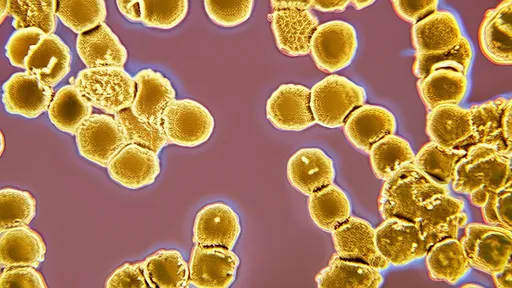
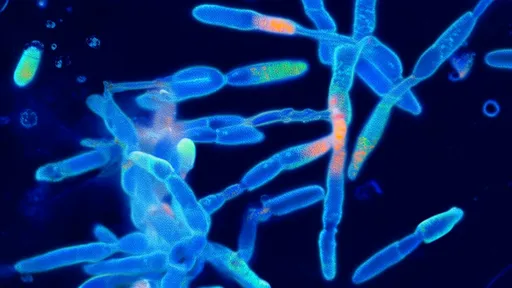
The sensory experience is deliberate. Unlike clinical scientific displays, the Eco-Theater embraces the earthy scent of rotting organic matter, punctuated by the sharp tang of fermentation. Interactive tablets allow guests to zoom in on microscopic activity: Mucor fungi extending thread-like hyphae or Bacillus bacteria replicating exponentially. This isn’t sanitized ecology; it’s a warts-and-all celebration of decay’s messy vitality.
Intermission: The Invisible Performers
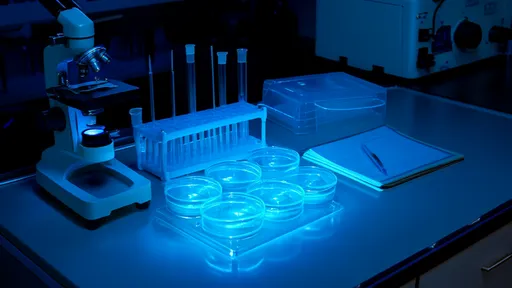
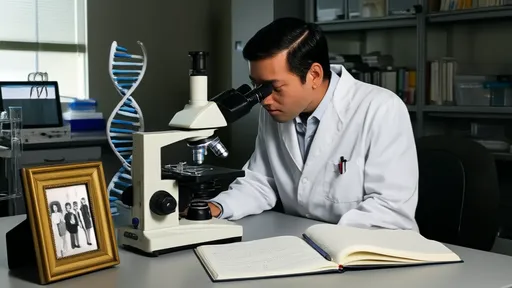
Central to the exhibition is a live microbiology lab where technicians isolate microbes from active compost piles. Under mounted microscopes, visitors witness actinomycetes—the bacteria responsible for that distinctive "forest after rain" smell—releasing geosmin compounds. Elsewhere, heat maps visualize temperature fluctuations caused by thermophilic microbes, their metabolic heat turning piles into temporary ovens reaching 70°C (160°F).
This section dispels the myth of composting as passive rotting. Animated diagrams compare microbial activity in cold (slow, fungal-dominated) versus hot (fast, bacteria-driven) composting, illustrating how carbon-to-nitrogen ratios dictate the narrative pace. The takeaway is clear: what we call "waste" is actually a standing ovation for microorganisms.
Act Two: The Plot Thickens
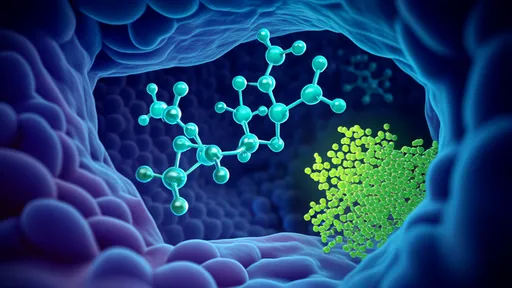
As the process advances, the exhibits grow darker—literally. Glass jars display the formation of humic substances, those complex polymers that give soil its structure. Augmented reality overlays reveal how these molecules bind nutrients, acting as a slow-release fertilizer bank. Nearby, a "worm cam" tracks red wigglers (Eisenia fetida) ingesting partially decomposed matter, their gut microbiomes finishing what microbes started.
The most striking installation simulates a black soldier fly larvae nursery. Visitors observe these voracious decomposers reducing food waste volume by 50% within hours, their bodies later harvested as protein-rich animal feed. It’s a provocative reminder that composting isn’t always about creating soil—sometimes it’s about converting waste into new food chains.
Finale: Curtain Call for Circularity
The exhibition culminates in a greenhouse where finished compost nourishes vegetables and herbs. Visitors can inhale the petrichor of freshly watered soil—now teaming with life that began as someone’s kitchen scraps. Digital counters tally collective waste diverted from landfills, translating abstract metrics into palpable achievement.
Perhaps the most subversive element is the gift shop. Instead of trinkets, visitors leave with vermicomposting kits or vouchers for municipal compost. The message is implicit: the real performance begins at home. By rendering decomposition visible, the Eco-Theater doesn’t just educate—it compels audiences to become actors in nature’s endless cycle of renewal.
This initiative proves environmental messaging needn’t be grim. When science meets spectacle, even a moldy potato peel becomes a star.

By /Aug 7, 2025
By /Aug 7, 2025
By /Aug 7, 2025
By /Aug 7, 2025
By /Aug 7, 2025
By /Aug 7, 2025
By /Aug 7, 2025
By /Aug 7, 2025

By /Aug 7, 2025
By /Aug 7, 2025
By /Aug 7, 2025
By /Aug 7, 2025
By /Aug 7, 2025
By /Aug 7, 2025
By /Aug 7, 2025
By /Aug 7, 2025
By /Aug 7, 2025

By /Aug 7, 2025
By /Aug 7, 2025
By /Aug 7, 2025
